
Contents
Searching for how to dispose of sex toys usually comes down to three questions: what is the toy made from, does it contain electronics, and how can it be discarded privately?
Non-electronic toys made from silicone, TPE, glass, ceramic, or metal are handled differently from battery-powered products. Electronic toys require extra attention because batteries and circuit components should not be mixed with regular waste streams. The EPA advises keeping lithium-ion batteries and devices containing them out of household trash and recycling bins because damaged batteries can create fire risks during collection and processing.
A toy may need to be discarded due to material changes, a difficult-to-clean surface, a broken motor, or simply because you want to replace it. Signs that a product has reached the end of its useful life include:
- Sticky or damaged surfaces
- Cracks, tears, or worn areas
- Persistent odors after cleaning
- Corroded battery compartments
- Broken charging ports or electronic failures
Proper sex toy disposal protects waste workers, keeps unsuitable materials out of recycling systems, and helps you handle personal items discreetly.
If you are replacing an older product, you can explore our collection of realistic masturbators while disposing of your previous item responsibly.
Quick Answer: Can You Throw Away Sex Toys?
Non-electronic sex toys can usually go into the household trash after cleaning and secure wrapping.
The main exceptions are products containing:
- Lithium-ion batteries
- Rechargeable electronics
- Motors or circuit boards
- Smart-device components
Remove batteries when possible and use battery or electronics collection services for products that require separate handling.
Recycling rules differ by location, so check your local waste authority for accepted materials and collection options.
How to Dispose of Non-Electronic Sex Toys
Standard curbside recycling programs do not accept most silicone, TPE, glass, ceramic, or metal adult products. These systems are designed for specific household materials, not mixed intimate products.
Silicone and TPE Sex Toys
When disposing of silicone and TPE toys, follow these steps:
1. Clean the Item
Wash the product according to the manufacturer’s instructions. For detailed cleaning methods, see our guide on how to clean sex toys.
Remove:
- Lubricant residue
- Dust or buildup
- Any remaining fluids
Dry the item completely before wrapping it.
2. Separate Safe, Removable Parts
Some products include detachable components such as:
- Storage cases
- Removable sleeves
- External battery covers
Separate parts only when they come apart easily. Do not cut into sealed products or damage areas that may contain electronics.
3. Package It Privately
For discreet adult toy disposal:
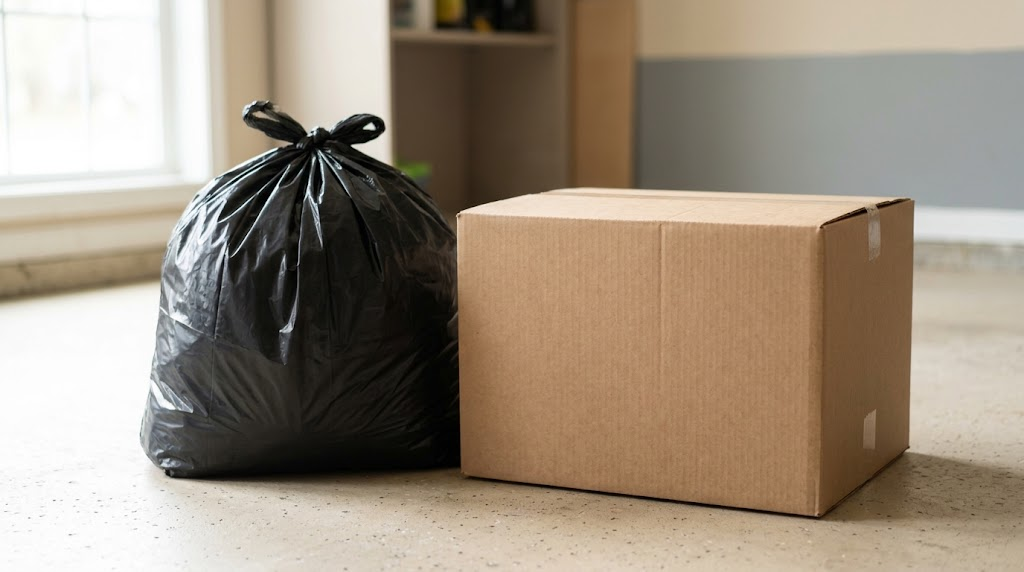
- Place the item inside an opaque bag.
- Use plain packaging or a small box.
- Remove labels or receipts containing personal information.
There is no need to destroy the product. Secure packaging is enough for most household disposal situations.
4. Dispose Through Household Waste
As mentioned earlier, silicone and TPE are not accepted by most curbside recycling programs. Unless a specialized recycler specifically accepts these materials, dispose of them through your normal household waste system.
Can You Recycle Sex Toys?
Most sex toys cannot go into standard recycling bins.
Many products combine several materials:
- Silicone or TPE
- Plastic parts
- Metal components
- Batteries
- Electronics
Because of this mixed construction, standard recycling facilities usually cannot process them.
A sex toy recycling program may exist through certain manufacturers or specialty recyclers, but availability is limited. Confirm that a program accepts used intimate products and check its packaging requirements before sending anything.
Glass, Ceramic, and Metal Toy Disposal
Glass and Ceramic
For broken glass or ceramic products:
- Wrap the item securely.
- Place it in sturdy packaging that prevents cuts.
- Follow your local disposal instructions for broken materials.
Metal
Solid metal toys made from stainless steel, aluminum, or titanium may be accepted by some scrap or recycling facilities.
Contact the facility first to confirm whether it accepts small metal items. If it does not, wrap the item securely and place it in household waste.
How to Dispose of Battery-Operated Sex Toys
Battery-powered toys should be separated from regular household waste whenever possible.
Electronic products may contain:
- Disposable batteries
- Rechargeable lithium-ion batteries
- Motors
- Circuit boards
- Charging components
Lithium-ion batteries and devices containing them should not go into household trash or recycling bins. The EPA recommends using battery recycling or household hazardous waste collection options instead.
Remove Replaceable Batteries
For toys using AA, AAA, or other removable batteries:
- Turn off the device.
- Remove the batteries.
- Take it to a battery collection site that accepts that type of battery.
Battery acceptance depends on the collection provider and location.
Do Not Open Sealed Rechargeable Devices
Rechargeable toys with built-in batteries should stay intact.
Avoid:
- Cutting the casing
- Puncturing the battery area
- Forcing open waterproof sections
Damaged lithium batteries can become unsafe during handling and transport.
Use an E-Waste Collection Option
Possible disposal routes include:
- Electronics recycling centers
- Battery collection points
- Household hazardous waste programs
- Manufacturer take-back programs
Confirm acceptance before dropping off the device.
How to Dispose of Sex Toys Discreetly
The simplest way to dispose of sex toys privately is to clean the item, remove personal details, and use sealed packaging.
A few practical steps help avoid unwanted attention:
Remove Personal Information
Discarded packaging can reveal more than the product itself.
Remove:
- Shipping labels
- Receipts
- Order slips
- Account details from smart-device apps
Reduce Odor and Mess
Wash the product, allow it to dry fully, and avoid sealing damp items in plastic. This prevents unpleasant smells while the package waits for collection.
Use Opaque Packaging
Good options include:
- Plain boxes
- Dark trash bags
- Paper wrapping
- Non-transparent packaging
Place the item in household waste according to your local collection schedule.
Local Disposal Rules and Recycling Guidance
There is no single worldwide standard for sex toy disposal. Requirements differ between cities and countries, especially for batteries, electronics, and unusual materials.
For the most accurate instructions, check:
- Local waste department websites
- Electronics recycling centers
- Battery collection providers
- Household hazardous waste programs
For U.S. readers, EPA guidance recommends handling lithium-ion batteries and devices containing them separately, rather than putting them in household trash or recycling bins.
Frequently Asked Questions
Can you throw sex toys in the regular household trash?
Non-electronic toys can usually be put in household waste after cleaning and wrapping.
Products with batteries, motors, or electronic parts need separate handling because they may require battery or e-waste collection.
How do you dispose of battery-operated or rechargeable sex toys?
Remove loose batteries and keep rechargeable devices with built-in batteries out of regular trash.
Take them to a battery or electronics collection point that accepts those items.
Can silicone sex toys be recycled?
Most curbside recycling programs do not accept silicone sex toys.
Silicone and TPE are processed differently from common recyclable plastics. Specialized recycling options may exist, but they are limited.
How can I dispose of adult toys without anyone knowing?
Clean the item, remove personal information, and place it in a sealed opaque bag or box.
Packaging, labels, and receipts often reveal more information than the product itself.
Are battery-operated sex toys considered e-waste?
Many contain electronic parts such as motors, charging systems, or batteries.
Treat them like small electronic devices when using recycling or disposal services.
Final Thoughts
Disposing of an old sex toy is straightforward once you identify the materials and handle each part correctly.
Clean the item, check for batteries, remove personal details from packaging, and choose a disposal method that matches the product type.
Small details help: look for corrosion in old battery compartments, avoid storing damaged products, and keep electronic parts separate from regular waste whenever possible.
The goal is simple — retire the item safely, protect your privacy, and avoid sending materials to the wrong disposal stream.