
Contents
You’re holding a sleek glass toy and reaching for your favorite bottle of silicone lubricant when a question crosses your mind: “Wait, aren’t silicone products supposed to stay away from each other? Does that rule apply to glass, too?” It’s easy to second-guess your choice when different toy materials come with different compatibility warnings.
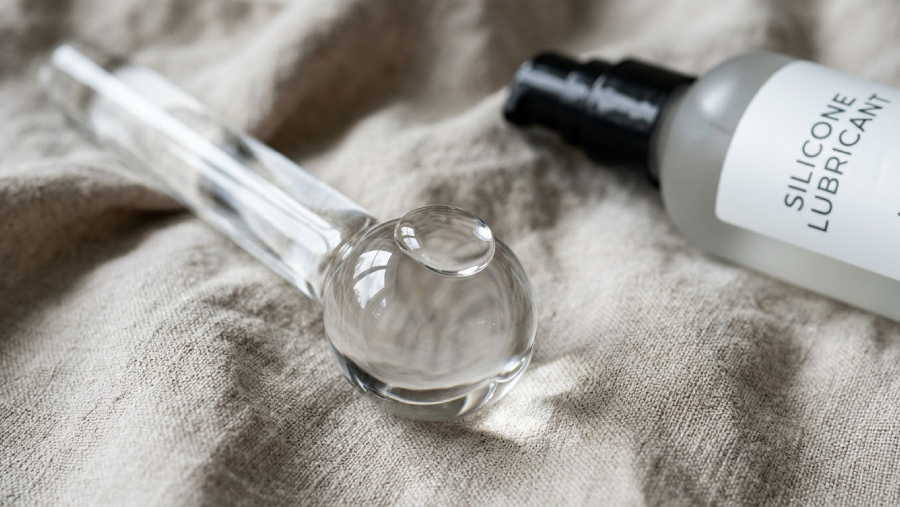
Yes, silicone lubricant is safe to use with glass sex toys. Unlike solid silicone, glass won’t absorb the lubricant or break down when the two come into contact. Many quality glass toys use borosilicate glass, a durable, non-porous material compatible with different types of lubricants. Still, grip, cleanup, and proper toy care deserve some attention.
Why Silicone Lube Works Well With Glass Toys
Many quality glass sex toys use borosilicate glass, a durable material also found in laboratory equipment and cookware. Its non-porous surface doesn’t absorb silicone lubricant, making the two compatible.
Silicone toys are different. Silicone lubricant is generally not recommended for silicone toys unless the manufacturer confirms compatibility. Check the manufacturer’s instructions before using silicone lube with these toys.
So, can you use silicone lube on glass dildos? Absolutely. Glass dildos and wands follow the same rule, so you can use silicone-based formulas on them without damaging their surfaces.
Want to compare glass with ABS plastic, steel, or TPE? Check out this Body-Safe Materials Guide for more information.
Pros and Cons of Using Silicone Lube on Glass
Silicone lubricant stays slick longer than many water-based formulas. However, its texture and cleanup requirements may not suit everyone.
Benefits of Silicone Lube
- Longer-lasting glide: You won’t need to reapply it as often because it stays slick longer than most water-based formulas.
- Great for water play: It doesn’t wash away as quickly during shower or bath activities.
- Reduced friction: Its slick texture helps limit friction during longer sessions.
Drawbacks to Keep in Mind
- Slippery grip: Glass already has a smooth finish. Because glass is already smooth, lubricant can make the toy more difficult to hold securely.
- More cleanup: Silicone lube can leave a greasy film that requires thorough washing.
- Material compatibility: Glass handles silicone lubricant well, but some other toy materials may not. Check the manufacturer’s advice before using the same product on different toys.
The best lube for glass sex toys depends on your preferences. Choose silicone for lasting glide or water-based lube for easier cleanup.
Lube Compatibility Chart for Glass, Silicone, and TPE Toys
Not every lubricant works with every toy material. Use this chart as a general guide to what sex toys are safe with silicone lube.
Toy Material | Water-Based Lube | Silicone-Based Lube | Oil-Based Lube |
Borosilicate glass | Safe | Safe | Safe, but harder to clean |
Silicone | Safe | Not recommended unless approved by the manufacturer | Check the maker’s advice |
TPE | Generally suitable | Check the maker’s advice | Not recommended |
These are general guidelines. Material blends and manufacturing methods can affect compatibility, so follow the toy maker’s recommendations.
Remember that oil-based lubricants can weaken latex condoms. If you use latex protection, choose a compatible water-based or silicone-based formula.
What Lube Is Safe for Glass Toys?
Choosing a lubricant for glass toys is fairly simple. Water-based, silicone-based, and oil-based formulas can all work with borosilicate glass, but each has its advantages and cleanup requirements.
Water-based lube is a practical choice if quick cleanup matters to you. It washes off with warm water and mild soap, although you may need to reapply it during longer sessions.
Silicone-based lube is worth considering if you prefer lasting glide. It holds up during water play, but its residue takes more effort to remove. Keep it away from silicone toys unless the manufacturer confirms compatibility.
Hybrid lube combines water-based and silicone-based ingredients. Hybrid formulas can last longer than standard water-based lube while leaving less residue than pure silicone products. Check the label and manufacturer guidance if using hybrid lube with silicone toys.
When choosing a toy safe lube, keep these tips in mind:
- Choose a formula with simple ingredients if you have sensitive skin.
- Avoid warming, cooling, or flavored additives if they tend to irritate you.
- Apply enough lubricant to reduce friction because glass doesn’t flex like softer materials.
- Start with a small amount and add more as needed.
Your skin sensitivity, preferred texture, and toy material all matter. Don’t assume a lubricant that works for one toy will work with everything in your collection.
How to Clean Silicone Lube Off Glass Toys
Silicone lubricant doesn’t rinse away as easily as water-based products. It can leave a slippery film behind, so wash your glass toy thoroughly after use.
- Wipe off excess lubricant: Use a soft cloth or paper towel to remove as much residue as possible.
- Wash with warm water and soap: Apply mild, unscented liquid soap or a suitable toy cleaner. Clean grooves and textured areas carefully.
- Rinse and check: Rinse under warm running water. If the glass still feels greasy, wash it again.
- Dry with a lint-free towel: Use a clean microfiber cloth to prevent lint from sticking to the surface.
- Inspect the glass: Check for chips, cracks, scratches, or rough spots. Stop using the toy if you find damage.
- Storage tip: Once completely dry, place the toy inside a padded pouch or soft cloth bag. Keep it separate from other toys and hard objects to prevent accidental damage.
Choosing a Glass Toy You Can Trust
Start with the manufacturer’s material information when shopping for a glass toy. Look for confirmed borosilicate construction and a smooth, even finish without sharp edges, rough seams, or visible defects.
For anal use, choose a design with a wide, flared base to prevent it from slipping inside. Use plenty of lubricant and never force the toy if you feel discomfort.
Our Glass Anal Toys post covers what makes glass a popular material and how to care for these toys.
Inspect the glass under good lighting before every use. Small chips and cracks can cause injuries, so stop using the toy if its surface is damaged.
Frequently Asked Questions
What lube should you use with glass toys?
Choose a water-based lubricant for easier cleanup. Silicone-based lube is better if you want longer-lasting glide. Both work with borosilicate glass.
Can any lube be used with glass toys?
Most standard water-based, silicone-based, and oil-based formulas are compatible with borosilicate glass. Your skin may react differently to certain ingredients, though, so check the label if you have sensitivities.
Does silicone lube leave residue on glass toys?
Yes. Silicone lubricant can leave a slippery film. Wipe away the excess, then wash the toy with mild soap and warm water. Repeat if necessary.
Can you use silicone lube with glass toys in the shower?
Yes. Silicone lubricant resists water and generally lasts longer during shower play than water-based alternatives. However, wet glass can become extremely slippery, so maintain a firm grip.
Enjoy Your Glass Toy Without Questioning Your Lube
A well-made glass toy can last for years with careful handling and regular cleaning. Since borosilicate glass works with silicone lubricant, you can choose your preferred formula without worrying about material incompatibility.
Choose a lubricant that matches your preferences, and clean the glass thoroughly after use. You can keep using your favorite silicone formula even after switching to a glass toy.